Blog
Practical AML/CTF guidance, updates and insights for Australian Tranche 1 and Tranche 2 organisations. Explore changes to the rules, implementation advice, sector-specific guidance and ways to make compliance easier to manage.
Sector
Topic
Topic list is proposed from the FAQ categories, plus Costs and billing for the migrated posts; confirm with Trancher.
No posts match these filters.

Sanctions screening checklist for client service workflows
A name match is a signal to investigate, not a decision on its own. A sanctions screening checklist helps client service teams compare customer…
· 15 min read
Read the article →
Simplified or enhanced due diligence?

Beneficial ownership CDD: Who to identify and when to verify

Client due diligence for trusts: checks for each trust role

Customer Due Diligence for Accountants: PEPs and Sanctions

How to assess AML program independent review requirements

Personnel due diligence AML: checks, scope and ongoing review

AML CTF Governance Roles and Responsibilities

How designated service rules apply to client funds and records

Assisting on Property or Business Sales: When Could AML/CTF Rules Apply?

Nominee Roles and AML Designated Services: An Australian Guide

Company and Trust Formation as an AUSTRAC Designated Service: When Does It Apply?

Designated Services Table 6: A Practical Guide to Items 1-9

What Is a Designated Service Under AUSTRAC? A Practical Comparison

AML/CTF for Lawyers in Australia: When Is Legal Work Captured?

Transaction Monitoring for Australian Accounting Firms

Reducing Manual Effort in KYC for Australian Accounting Firms

Compliance effectiveness guide for Australian firms

Mitigating Money Laundering Risks in Legal Practices: A Practical Guide

Small Team AML Compliance: A Guide for Australian Firms

KYC Remediation Plan: Guide for Australian Firms

Justifying Compliance Tech: 2026 Guide for AU Accountants

AML/CTF Tranche 2 for Accountants: Practical Guide for 2026

Verifying Client Identity Remotely: Practical AML/KYC Guidance for Australian Firms

Beneficial Ownership: A Guide for Australian Firms

AML Program Costs: Guide for Australian Accounting Firms

How to Identify a Suspicious Matter: A Practical AUSTRAC Guide

How to Demonstrate AML Compliance to Auditors in Australia

How to Enrol with AUSTRAC: A Guide for Australian Firms

Building an AML Compliance Program from Scratch: An Australian Firm’s Guide
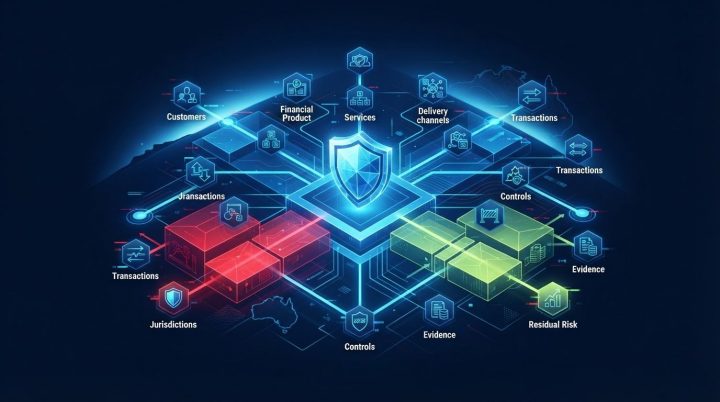
AML/CTF Risk Assessment: 2026 Australian Guide

Effective AML Training: 2026 Tranche 2 Readiness Guide

AML for Digital Currency Exchanges: 2026 Compliance Guide

Australian Real Estate AML Programme: 2026 Setup Guide

Explaining AML Compliance Costs: Australian Firm’s Guide

Tranche 2 Obligations: 2026 AUSTRAC Readiness Guide

2026 AML Program Guide for Australian Accounting Firms

What Happens During an AUSTRAC Audit? Guide for SMEs

RegTech Business Case: 2026 Australian Accounting Guide

Cost of AML Non-Compliance: 2026 Guide for Australian SMEs

The Compliance Officer Toolkit: Essential Resources for Australian SME Firms in 2026

PEP Screening Best Practice: 2026 Guide for Australian Firms

2026 AML Risk Assessment Guide for Australian Accountants

Privacy & AML Data: 2026 Australian SME Guide

Documenting AML Training: 2026 Guide for Australian Firms

Tranche 2 Explained for Dummies: Your 2026 Guide to AUSTRAC Compliance

AML Compliance Health Check: The 2026 Readiness Checklist for Australian Firms

Source of Wealth vs Source of Funds: 2026 Australian Guide

Automated AUSTRAC SMR Reporting: 2026 Guide

Tipping Off Offence in the AML Act: Australian Myth-Busting Guide for 2026

When to Submit a Suspicious Matter Report: 2026 Guide

KYC for Non-Resident Clients: 2026 AU Accounting Guide

Remote Client ID Verification: 2026 Australian Guide

Beneficial Ownership: 2026 Guide for Australian Firms

AML Software vs Consultant Cost Australia: The 2026 Compliance Price Guide

Simplifying Law Firm Onboarding: 2026 Tranche 2 Guide

Money Laundering Red Flags: 2026 Guide for Accountants

2026 Client Risk Profiling Guide for Australian Firms

AML for Remittance: A Guide to AUSTRAC Compliance

Bullion Dealer AML: 2026 AUSTRAC Compliance Guide

AML Risk Assessment Tool Australia: 2026 Methodology & Templates for SMEs

Crypto Transaction Monitoring: 2026 Australian Guide

AUSTRAC Enrolment Checklist for Australian SMEs in 2026

Source of Funds for Australian Property: 2026 Guide

AML Cost Recovery: Explaining Compliance Fees in 2026

2026 Tranche 2 AML Guide for Australian TCSPs

AML Program Checklist Australia: The 2026 Guide for Tranche 2 Readiness

AML/CTF Act Guide for Australian Accounting Firms 2026

2026 Tranche 2 AML Guide for Australian Small Business

Partner’s Guide: Billing for Recoverable AML Services

What is a Reporting Entity to AUSTRAC? The 2026 Guide for Accounting Firms

AUSTRAC Penalties for Non-Compliance: Protecting Your Practice in the Tranche 2 Era

AUSTRAC Enforcement Actions 2026: What Accounting Firms Must Know

AUSTRAC Tranche 2 Guide for SME Accounting Firms

How to Build an AML Risk Management Framework for Australian Accounting Firms (2026)

Choosing the Best AML CTF Risk Assessment Tool in Australia: A 2026 Buyer’s Guide

Suspicious Matter Reporting Software Australia: The 2026 Accountant’s Guide

AML Compliance for Growing Businesses in Australia: The 2026 Strategy

AUSTRAC Compliance Software: Guide for Accountants

Electronic Identity Verification: 2026 Guide for AU Firms

Reducing AML/CTF Compliance Costs for Accounting Firms

2026 AML Program Review Guide for Australian Accountants

AML Record Keeping: 2026 Guide for Australian Accountants

Preparing for AML CTF Independent Audit: A Comprehensive Guide

AML CTF Manual vs Automation: Future-Proofing Your Accounting Practice for 2026

Best AML CTF Compliance Software Australia: The 2026 Practice Leader’s Guide

Tranche 2 Readiness Checklist: The Accountant’s Guide to AUSTRAC Compliance in 2026

Ongoing Risk Monitoring Software: The 2026 Accountant’s Guide to AUSTRAC Readiness

PEPs & Sanctions Screening for Australian Accountants 2026

AML/CTF Program Effectiveness: A 2026 Guide for Australian Accounting Firms

AML Compliance Workflow Guide for Australian Firms 2026

AML Compliance for Precious Metal Dealers Australia: The 2026 Tranche 2 Guide

AML Compliance for Conveyancers Australia: The 2026 Tranche 2 Guide

AML Compliance for Law Firms Australia: The 2026 Partner’s Guide to Tranche 2

KYC Verification Checklist Australia: The 2026 Guide for Accounting Practices

Real Estate AML CTF Obligations: A Guide to Tranche 2 Readiness in 2026

What are AML Starter Kits? A Guide to AUSTRAC’s Tranche 2 Resources

How to Bill for AML Compliance: A Partner’s Guide to Recoverable Activity

AML Software for Australian Accountants: The 2026 Guide to Tranche 2 Readiness

What is a Reporting Entity to AUSTRAC? The 2026 Guide for Australian Accountants

AML CTF Policy Development Software: A Guide for Australian Accounting Firms

The AML/CTF Act: A Comprehensive Guide for Australian Accounting Firms in 2026

The AML CTF Compliance Dashboard Checklist: A Guide for Australian Accounting Firms

AML Compliance for Accountants Australia: The 2026 Readiness Guide

Enhanced Due Diligence Software Australia: A Guide for Tranche 2 Readiness

AML CTF Staff Training in Australia: The 2026 Guide for Accounting Firms

Scalable AML Compliance Solutions: Future-Proofing Your Accounting Practice for 2026

AML CTF Manual vs Automation: Future-Proofing Your Practice for 2026

AML Program Design and Implementation: The 2026 Accountant’s Guide to AUSTRAC Compliance

Automated Client Verification Australia: The Accountant’s Guide to Tranche 2 Readiness

AML CTF Compliance Costs Reduction: A Strategic Guide for Australian Accounting Firms in 2026

The AUSTRAC Annual Compliance Report Checklist for Australian Accountants

Audit-Ready Compliance Records: The 2026 Guide for Australian Accounting Firms

AUSTRAC Reporting Obligations Guide: A Practical Roadmap for Australian Accountants

CDD and KYC Requirements Australia: The 2026 Accountant’s Guide

AML CTF Compliance Software Australia: The 2026 Partner’s Guide to Tranche 2 Readiness

The Accountant’s Tranche 2 Readiness Checklist: Preparing for July 2026

Ongoing Risk Monitoring Software: A Guide for Australian Accounting Firms in 2026

Reporting Suspicious Activities to AUSTRAC: A Guide for Australian Accounting Firms

How to Implement PEPs and Sanctions Screening Software for Tranche 2 Readiness

Mastering AML Compliance Workflow Integration: A Guide for Australian Accounting Firms

AML CTF Policy Development Tool: Building a Future-Proof Programme for 2026

Compliance ROI Tracking Software: Transforming Regulatory Obligations into Billable Assets
Ready to simplify compliance?
Book a short overview or speak with our in-house specialists about the right path for your firm.